
WorthPoint
WorthPointShopping
2.7280.00 Reviews
- Version
- 6.3.1
- Installs
- 100.00K
- Age Rating
- Teen
Screenshots
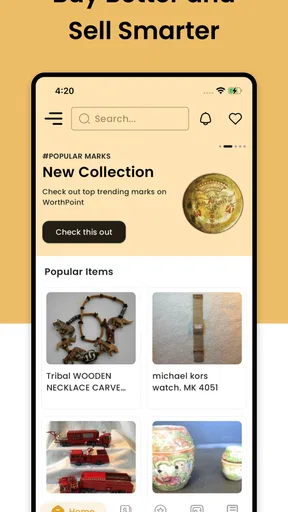
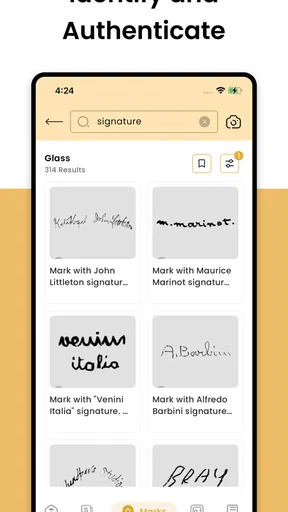
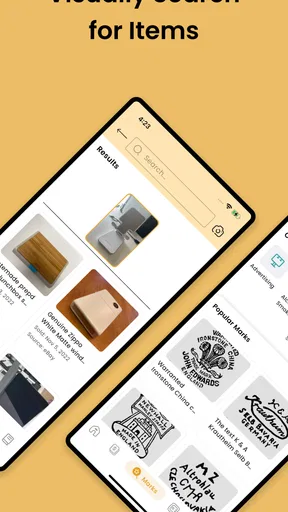
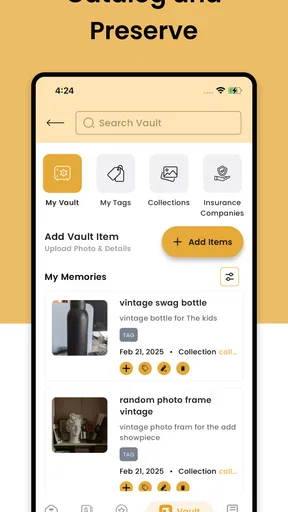
Our Review of WorthPoint
 Analysis by Appyee
Before I recommend WorthPoint, I’d ask what you need from a shopping app. If you mainly want to find today’s lowest price on a new product, this is the wrong tool. Its focus is antiques and collectibles research: helping you investigate an unfamiliar object and think more carefully about its possible value. That distinction matters, because a historical sale can be a useful clue without being a promise that your own item will sell for the same amount.
I’d also consider how often you expect to use it. Someone who regularly browses estate sales, handles inherited belongings, or buys collectibles may get more out of specialist research than a casual shopper who only needs an occasional answer. WorthPoint is free to install, but in-app purchases range from $19.99 to $399.99 per item, so I would check the cost and terms of the specific option before committing. The wide range makes it especially important not to treat downloading the app as the same thing as deciding on a paid plan.
Start with a question, not just a price
The most useful way I’d approach a collectible is to begin with what I can actually observe: its material, markings, condition, approximate age, and any distinctive details. Then I’d use research results to narrow the possibilities rather than grab the first matching description and call that the answer. A small difference in maker, edition, completeness, or condition can change how comparable two objects really are.
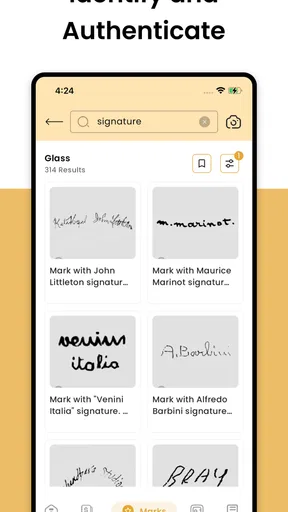
For example, if I found a marked dish at a charity shop, I’d photograph or note the mark, compare it with the Marks Library, and then look for auction records that seem genuinely similar. I’d keep a short note of why each result appears relevant. That simple habit helps prevent a familiar-looking pattern from being mistaken for the exact maker or model, and gives me something concrete to revisit before I spend money.
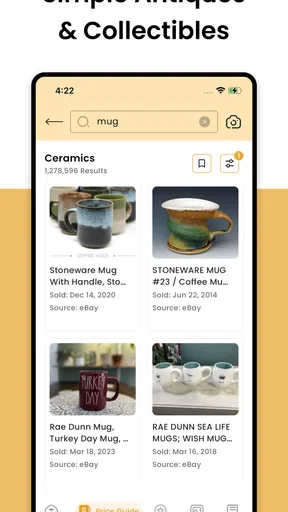
This is where the app’s research angle is more useful than a quick image search alone. General web searches can surface listings and scattered discussions, but asking prices are not proof of a completed sale. Historical auction information can offer a better reference point for what buyers have paid, while still needing context: an old result may reflect a different condition, venue, or moment in the market. I’d use it as evidence, not as an appraisal or guaranteed resale estimate.
Where specialist research earns its place
WorthPoint is developed by WorthPoint and sits in the shopping category, though its practical role is closer to a reference tool for collectors than a typical store-finding app. The audience is reflected in its Teen content rating. It has been available since July 11, 2019, and version 6.0.7 is the current version. It has more than 100,000 installs, while its average rating is 2.6 from 605 ratings and 269 written reviews. I’d take that mixed reception as a reason to test the parts I need before building a buying or selling routine around it.
That caution doesn’t cancel out the appeal. If I’m sorting through a box of inherited objects, the ability to check marks and historical prices in one place may be more practical than juggling several search tabs. If I’m a dealer or frequent flea-market browser, researching an item before negotiating can also help me ask better questions. The useful outcome isn’t necessarily a precise dollar figure; it may be learning that I need to inspect a label, verify a signature, or compare a more specific type of object.
There’s a sensible distinction between this and the usual alternatives. A general search engine is broader and often faster for basic identification, but results can mix active listings, casual opinions, and sold records. Marketplace browsing is useful for seeing what sellers currently hope to get, yet that is different from seeing what buyers actually paid. A professional appraiser is the better route when a high-stakes sale, insurance question, or formal valuation calls for accountable expertise. I’d treat WorthPoint as a research aid between those options, not a replacement for every one of them.
Make the first session count
For a realistic weekend example, imagine I’m at a garage sale with a few minutes to decide whether an old signed object deserves a closer look. I’d first check whether the mark is legible and whether the item has obvious damage or missing parts. If the app points me toward a likely maker or comparable sale, I’d use that as a prompt to inspect the object more carefully, not as permission to buy immediately. If the evidence is thin, I’d walk away or take a note to research later rather than let a tempting price rush me.
At home, the workflow can be more deliberate. I’d group similar items together, record identifying marks and condition, and research one object at a time. That makes comparisons less confusing than searching a whole collection in a hurry. It also makes it easier to notice when a result is only superficially similar. For a seller, this can help prepare informed questions and a more realistic listing; for a buyer, it can flag when further verification is needed before negotiating.
The Maps feature may suit people who enjoy finding local sales and events, but I’d see it as a discovery aid rather than the core reason to install the app. Its usefulness depends on whether there are relevant opportunities in the area and whether the timing works for you. If I already know where I shop, I’d prioritize the research tools; if I’m actively looking for new places to browse, maps can make the app more relevant to that routine.
Know what you are paying for
The main trade-off is that specialist research can be valuable precisely because it takes more than a casual glance, but the purchase range means I would not assume every useful-looking feature is included at no additional cost. Before buying anything, I’d check what the particular in-app option covers, how long access lasts, and whether it fits the way I plan to research. Those are practical questions to settle on the purchase screen rather than after I’ve built a workflow around a feature.
If I only have one item to identify, I’d first try the free access and compare its results with a general search and any reliable reference material I already have. If I’m researching regularly, I’d judge the expense against how often the information helps me avoid a poor purchase or make a better-informed sale. That calculation is personal: an occasional browser and a working dealer do not get the same value from repeated access.
I’d also keep a record of my own findings instead of relying on memory. A simple note with the item’s marks, condition, promising comparison results, and remaining questions makes follow-up research quicker. It’s a small step, but it helps avoid repeating searches and makes it easier to explain why I think a result applies. For a collection, that record can become more useful than a single number because it captures the reasoning behind the estimate.
One question people may have is whether the app can tell them exactly what an item is worth. I wouldn’t use it that way. Research can point to relevant past sales and descriptions, but the price someone might achieve depends on the specific object and the circumstances of a future sale. Another likely question is whether it suits a beginner: I think it can, provided they’re willing to compare details instead of treating a match as definitive. If that sounds like too much work for a one-off curiosity, a quick general search may be the easier choice.
It’s also worth asking whether WorthPoint is the best option when the object has substantial financial or sentimental importance. In that situation, I’d use the app to prepare—gathering marks, descriptions, and comparable examples—then seek a qualified specialist where a formal opinion matters. Conversely, if the item is an everyday household product rather than an antique or collectible, ordinary shopping search tools are likely to be more useful. Choosing the right kind of research is part of getting a dependable answer.
Have you ever stumbled upon a dusty old vase in your attic and wondered if it's worth anything? Well, that's where WorthPoint comes to the rescue. As someone who loves to dig through thrift shops and garage sales, I was thrilled to try out this app. Let me walk you through my experience and why this might just be the tool you never knew you needed.
Unearthing Treasures with Ease
Picture this: you’re holding a peculiar item, and your curiosity is piqued. You whip out your phone, open WorthPoint, and boom — answers are at your fingertips. The app is a treasure trove for collectors, dealers, and anyone with an eye for the unique or the rare. It provides access to a massive database of historical prices and detailed item descriptions, making it a cinch to evaluate your finds.
Features that Shine
Let’s dive into the nitty-gritty of what makes WorthPoint a go-to app for value hunters:
- Price Database: With over 500 million prices retrieved from auctions, you’ll get a solid idea of an item’s worth.
- Marks Library: This is super handy for identifying those tricky marks and signatures on items. It’s like having an expert in your pocket!
- Maps: If you’re into treasure hunts, this will be your jam. It shows local sales and events where you might find your next big score.
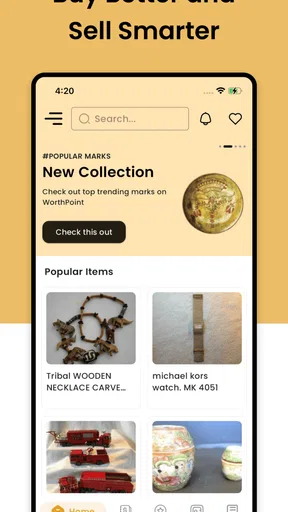
The app also has a user-friendly interface. Even if you’re not tech-savvy, navigating through its features is a breeze. I was particularly impressed by how quickly the app provided information. No more endless Googling — just instant results!
Why You’ll Love It
Now, I know what you’re thinking: is this just for hardcore collectors? Not at all! Whether you’re a casual browser or a serious buyer, WorthPoint has something for everyone. Here’s why it’s a game-changer:
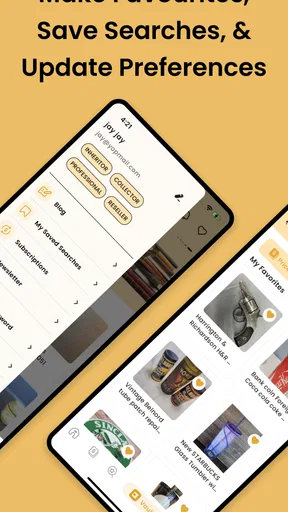
- Knowledge is Power: Knowing the value of what you have can help you make informed decisions. Whether you plan to sell or keep, understanding worth is crucial.
- Connect with Community: The app isn’t just about facts and figures. It connects you with a community of enthusiasts and experts, making the experience even richer.
- Preserve History: Every item has a story, and with WorthPoint, you’re not just learning about prices — you’re uncovering histories.
The Verdict
So, is WorthPoint worth your time and attention? Absolutely. It’s not just an app; it’s a powerful tool that combines technology and passion for the past. Whether you’re looking to sell, buy, or just satisfy your curiosity, this app offers a comprehensive platform to explore the value of various items.
In a world where we often overlook the past, WorthPoint encourages us to stop, look, and discover. It transforms the way we perceive collectibles and antiques, making it a must-have for anyone even remotely interested in hidden treasures. So the next time you find something intriguing, remember: WorthPoint is just a tap away, ready to reveal the secrets of the past.
Verdict
Strengths of WorthPoint
- Comprehensive database of antique items.
- User-friendly interface and design.
- Regular updates with new content.
- Detailed descriptions and images.
- Useful for both collectors and sellers.
Limitations of WorthPoint
- Requires subscription for full features.
- Occasional app crashes reported.
- Limited offline functionality.
- Search feature can be slow.
- No built-in community forum.
Similar Picks in This Category
View All
SHEIN-Shopping Online
Roadget Business PTE. LTD.4.8

Amazon Shopping
Amazon Mobile LLC4.4


Mercado Libre: Compras online
Mercado Libre4.8

Wish: Shop and Save
Wish US Holdings LLC4.7

Alibaba.com - B2B marketplace
Alibaba Mobile4.4
Frequently Asked Questions
What is WorthPoint and how does it work?
WorthPoint is a comprehensive database and tool designed for antique and collectible enthusiasts. It offers users access to extensive pricing data, historical sales, and a community of experts. Users can search the database to identify items, learn their worth, and connect with others to discuss antiques and collectibles.
Is WorthPoint free to use?
WorthPoint offers both free and paid subscription options. While users can access limited features for free, a subscription is required to unlock the full database and advanced tools. Various pricing plans are available, allowing users to choose according to their needs and budget.
What features does WorthPoint offer to its users?
WorthPoint provides several features, including a vast price guide database, access to a library of articles and resources, and a community of collectors and experts. The app also offers a 'Marks Library' for identifying maker’s marks, signatures, and other identifiers on antiques and collectibles.
How accurate is the pricing information on WorthPoint?
WorthPoint aggregates data from a variety of auction houses and online sales platforms, ensuring a broad range of historical sales data. While the tool is highly reliable, prices can vary based on condition, rarity, and demand, so it's recommended to use it as a guide rather than a definitive price.
Can I use WorthPoint on both Android and iOS devices?
Yes, WorthPoint is available for both Android and iOS devices. Users can download the app from Google Play Store or Apple App Store. It’s designed to provide a seamless experience across different platforms, making it convenient for users to access information on the go.
